> weird signals for difficult ears
Independent music radio. Pirate transmissions from every corner of the globe, 24 hours a day.

Madwonko
Why This Band Matters celebrates the artists whose influence reaches far beyond record sales and chart positions. Each episode explores the stories behind bands that changed the course of music, inspired generations of musicians, or created timeless work despite never receiving the recognition they deserved. From post-punk pioneers to underground legends, we uncover why these bands still matter and why they're worth discovering today.
22:00-00:00

Madwonko
Forgotten Albums shines a light on remarkable records that time, trends, or the music industry left behind. Each episode explores an overlooked album that deserves a second chance, diving into its story, the artists behind it, its influence, and why it still matters today. Whether it's a hidden post-punk masterpiece, an obscure progressive rock gem, or a lost psychedelic classic, Forgotten Albums celebrates the music history almost forgot and invites listeners to discover their next favorite record.
23:00-00:00
Madwonko
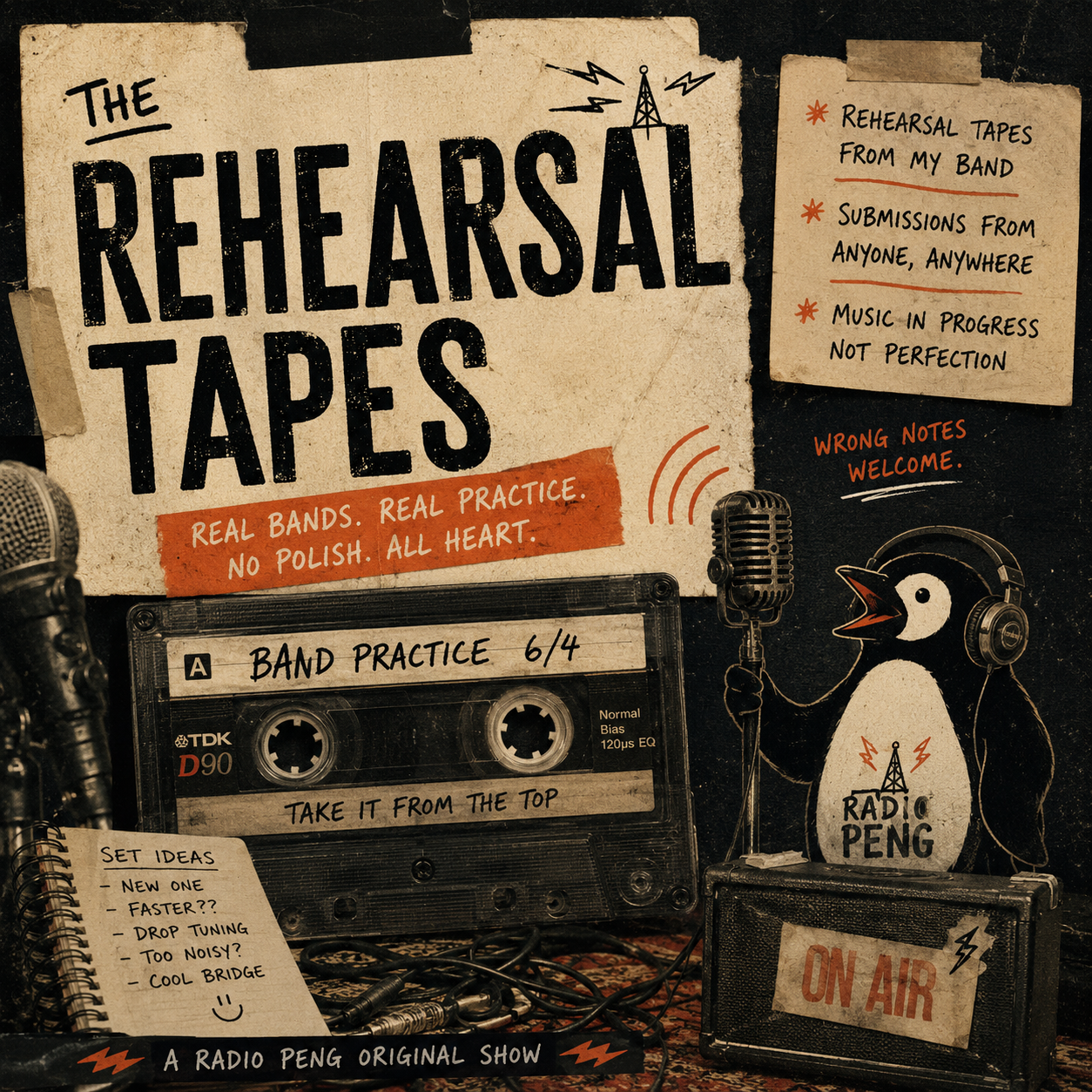
Rehearsal tapes. Room mics. Music that hasn't been fixed yet. This show is recordings from band practice spaces — my own band mostly, plus submissions from anyone willing to share the mess of a song still becoming itself. Half-finished riffs, blown takes, the drummer coming in a beat late. Wrong notes very much welcome.
22:00-00:00

Jah Bong
Jah Bong has been playing music that doesn't fit neatly into any category for longer than he'd probably like to admit. His tastes run from kosmische to kora, with long detours through anything that clocks in over ten minutes. The Space Cowboy is the natural result — a show built around the idea that the best music rarely comes with a genre label attached.
08:00-11:00

Vulture
Sonic Decay is Vulture’s weekly excavation into the beautiful ruin of sound. A collision of punk urgency, industrial abrasion, post-punk shadows, no wave weirdness, and other deliciously damaged transmissions. Expect distorted guitars, mechanical pulse, basement tape archaeology, and the occasional sonic ambush. Not background music. More like structural wear for your speakers.
23:00-00:00

Dave Ilwich · October 19, 2026
Music for the dead runs in one line from plainchant to drone. The same few gestures keep coming back: the falling Dies irae, the tritone, the lament, the long held tone. Each era reworks them for a new audience, and Halloween music is only the loudest recent branch.

RadioPeng · October 19, 2026
Before Pro Tools and bedroom pop, there was a messier revolution. In back rooms, basements, and council flats, post‑punk bands quietly seized the tape machine and changed how music gets made.
Off Air
Tap play to tune in